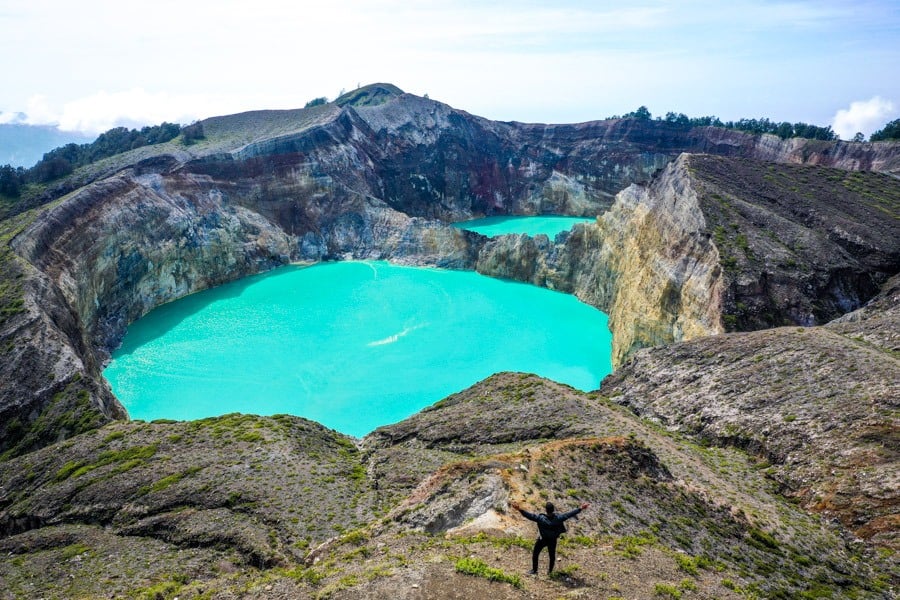
The air at dawn carries a faint sulfur scent, a whisper of the geological forces beneath. Above, the sky transitions from deep indigo to soft rose, illuminating the contours of three distinct depressions. Below, the water begins to reveal its palette, shifting from murky grey to an emerging cyan, or perhaps a deep red, a silent display of Earth’s internal chemistry. This is the enduring appeal of Kelimutu, a geological anomaly that draws observers to its summit on Flores Island.
Kelimutu Lake: The Tri-Colour Phenomenon on Flores
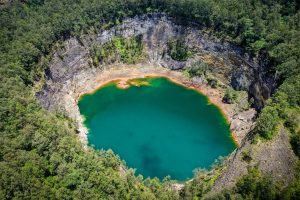
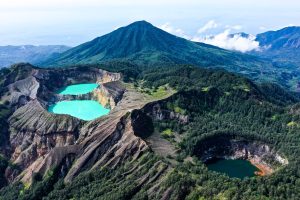
The allure of Kelimutu Lake lies in its unique tri-colour volcanic crater lakes, a phenomenon not readily replicated elsewhere. Kelimutu volcano is located approximately 50 km east of Ende, the capital of Ende Regency in East Nusa Tenggara, Indonesia. These three volcanic crater lakes whose colours periodically change due to chemical reactions involving dissolved minerals and volcanic gases. This periodic transformation is the primary draw, distinguishing Kelimutu from static volcanic landscapes. The combined surface area of the three Kelimutu crater lakes is approximately 1,051,000 square metres with a total water volume of about 1.292 million cubic metres, a significant body of water exhibiting dynamic properties. Access to the summit for sunrise is a common itinerary, requiring an ascent from Moni village. The experience involves navigating a paved path and stairs, culminating in viewpoints overlooking the three lakes: Tiwu Ata Bupu (Lake of Old People), Tiwu Ko’o Fai Nuwa Muri (Lake of Young Men and Maidens), and Tiwu Ata Polo (Enchanted Lake). The lakes are situated on the summit of a volcano on central Flores Island in Indonesia, offering a panoramic vista of the surrounding Kelimutu National Park. The highest peak in Kelimutu National Park is Mount Kelibara, with an elevation of 1,731 metres, providing a dramatic backdrop to the caldera. The relative isolation of Flores Island contributes to the journey’s sense of adventure, appealing to those seeking destinations beyond mainstream tourism circuits.
Accessibility and Overland Routes to Kelimutu
Reaching Kelimutu involves specific logistical considerations for Flores overland trip planners. The primary gateway to Kelimutu is Moni village, located at the base of the volcano. From Ende, the journey to Moni typically takes 2-3 hours by car or public transport, covering approximately 50 kilometres. Travelers often arrange private drivers or utilize shared bemo services. For those arriving by air, Frans Seda Airport (ENE) in Ende is the closest major hub. Alternatively, travelers may fly into Komodo Airport (LBJ) in Labuan Bajo and undertake a multi-day overland journey across Flores, passing through Ruteng and Bajawa before reaching Moni. This longer route allows for exploration of other Flores attractions, such as traditional villages and other volcanic landscapes. The final ascent to the crater rim from the Moni entrance gate involves a drive to a parking area, followed by a walk of approximately 30-45 minutes on a well-maintained path and stairs. This path is manageable for most fitness levels, though the pre-dawn ascent requires a headlamp. Kelimutu National Park, which contains the Kelimutu crater lakes, is located on Flores Island in East Nusa Tenggara province, Indonesia, and entry fees apply for both domestic and international visitors. These fees contribute to park maintenance and conservation efforts.
The Chemical Dynamics of Colour Change: Kelimutu vs. Other Volcanic Lakes
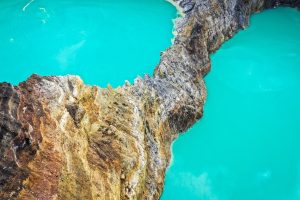
The periodic colour changes in Kelimutu’s lakes are a direct consequence of ongoing chemical reactions involving dissolved minerals and volcanic gases, differentiating it from many other volcanic lakes globally. While other volcanic lakes, such as those in the Ijen caldera complex in Java or the Poás Volcano in Costa Rica, exhibit striking colours, their hues are often more consistent. Kelimutu’s lakes, by contrast, cycle through a spectrum of colours – reds, blues, greens, and even black – sometimes within months or years. This variability is attributed to the interaction of specific minerals, such as iron and manganese, with varying levels of oxygen and sulfur dioxide released from the fumaroles beneath the lakebeds. The three coloured lakes of Kelimutu are situated on the summit of a volcano on central Flores Island in Indonesia, each acting as an independent chemical reactor. The exact mechanisms and timing of these shifts are complex and continuously monitored by volcanologists. This dynamic aspect positions Kelimutu as a living geological laboratory, offering a unique opportunity for observers to witness Earth’s processes in real-time. The visible changes serve as a compelling narrative for nature travelers and volcano enthusiasts, providing a tangible connection to geological activity.
Kelimutu as a Sunrise Destination: Pros and Cons
Sunrise at Kelimutu offers a compelling photographic opportunity, though it comes with specific logistical considerations. The primary advantage is the dramatic unfolding of light over the crater lakes, illuminating their distinct colours as the sun ascends. This provides optimal conditions for photography, capturing the interplay of light and shadow on the water and surrounding caldera. The air is typically cool and clear at this hour, enhancing visibility. However, the early morning ascent, often beginning around 4:00 AM from Moni, requires an early start and may not suit all travelers. The path to the viewpoints, while well-maintained, involves walking in low light conditions. Furthermore, weather can be unpredictable; fog or cloud cover is not uncommon, potentially obscuring the view of the lakes. During peak season, the viewpoints can become crowded, impacting the solitary nature of the experience. Comparisons to other sunrise destinations, such as Mount Bromo in Java or Haleakala in Maui, highlight Kelimutu’s more intimate scale and the unique element of the changing lake colours. While Bromo offers a vast caldera and multiple active craters, Kelimutu focuses on the distinct beauty of its three interconnected, yet chemically independent, lakes. The experience at Kelimutu is less about the grand scale of a supervolcano and more about the immediate, vivid phenomenon of the crater lakes.
Flores Overland and Trekking Logistics: Integrating Kelimutu
Integrating Kelimutu into a broader Flores overland itinerary requires careful planning, balancing the desire for natural beauty with practical trekking logistics. For those seeking an extensive Flores experience, a common route begins in Labuan Bajo, exploring Komodo National Park, then proceeding eastward through Ruteng, Bajawa, and eventually Moni for Kelimutu. This allows for a multi-day journey encompassing diverse landscapes and cultural sites. Trekking opportunities within Kelimutu National Park extend beyond the immediate crater rim. Trails lead through verdant forests, offering encounters with local flora and fauna. However, these longer treks require permits, guides, and appropriate gear, distinguishing them from the standard sunrise visit. The highest peak in Kelimutu National Park is Mount Kelibara, with an elevation of 1,731 metres, presenting a challenging trek for experienced hikers. Compared to the extensive trekking networks around Rinjani in Lombok or Semeru in Java, Kelimutu’s trekking options are more contained, focusing on shorter, accessible paths around the lakes or specific routes within the national park. The emphasis here is on the geological marvel rather than multi-day summit attempts. Local guides in Moni can assist with arranging longer treks, providing insights into the park’s biodiversity and cultural significance. The National Park entry fees support these efforts. Kelimutu National Park is a protected area, and adherence to park regulations is essential for preserving its natural integrity.
To explore further details on planning your independent journey to the tri-colour crater lakes and integrating Kelimutu into your Flores adventure, visit kelimutulake.com.