The Kelimutu Lakes, in Indonesia, are renowned for their dramatic color changes. This unique phenomenon draws both scientists and tourists eager to understand the underlying geophysical processes.
Kelimutu Lake Color Change Explained
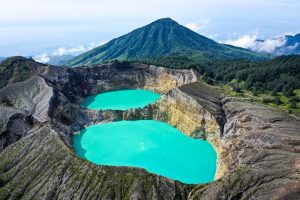
The Kelimutu Lakes, located on Flores Island in Indonesia, captivate visitors with their remarkable ability to change colors. Known locally as Tiwu Ata Bupu, Tiwu Ko’o Fai Nuwa Muri, and Tiwu Ata Polo, these lakes can shift from turquoise to green, red, or even black. Situated within the Kelimutu National Park, approximately 50 kilometres from the town of Ende, these lakes are a natural wonder that has intrigued both locals and international visitors for decades. The park itself is accessible via a well-maintained network of roads, making it a feasible day trip from nearby towns. But what causes these transformations?
Why Do the Kelimutu Lakes Change Color?
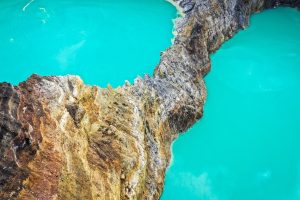
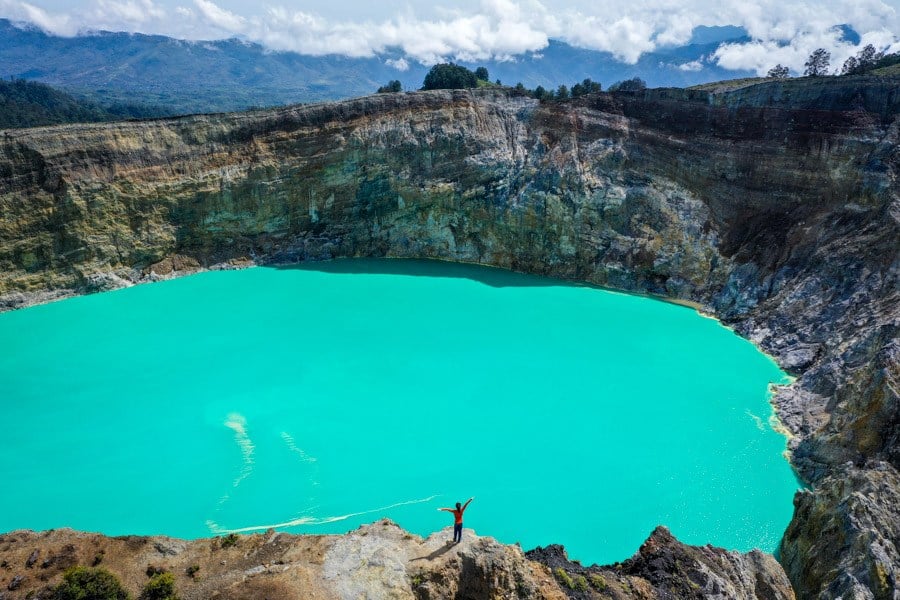
The color changes in the Kelimutu Lakes are primarily attributed to varying levels of minerals, volcanic gas activity, and the oxidation-reduction reactions occurring within the water. Each lake has its own unique chemical composition, contributing to the different hues observed. For instance, Tiwu Ata Bupu, often referred to as the “Lake of Old People,” usually appears blue or green due to its mineral content. Meanwhile, Tiwu Ko’o Fai Nuwa Muri, or the “Lake of Young Men and Maidens,” is known for its turquoise or green colors. Tiwu Ata Polo, the “Bewitched or Enchanted Lake,” frequently changes between red and darker hues, a phenomenon that continues to puzzle scientists.
Scientific Explanation of Kelimutu Lakes
Scientists attribute the color shifts to several factors. The presence of dissolved minerals, such as iron and manganese, interacts with volcanic gases like sulfur dioxide and hydrogen sulfide. These interactions lead to oxidation or reduction reactions, which alter the water’s color. The lakes are situated in a volcanic crater, and the volcanic activity beneath them plays a crucial role in these chemical processes. The gases emitted from the volcano can change in composition and volume, leading to variations in the lakes’ colors over time. Researchers have been conducting regular studies to monitor these changes, using advanced spectrometric tools to analyze water samples from each lake. These studies aim to deepen the understanding of the complex interactions between geological activity and aqueous chemistry.
Visitor Experience at Kelimutu Lakes
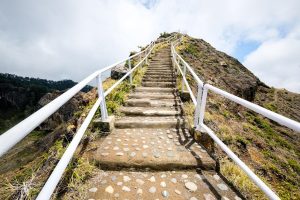
For those planning a visit, the Kelimutu Lakes offer a truly unique experience. Visitors can enjoy hiking trails that provide stunning views of the lakes. The main trail to the lakes is well-marked and takes approximately 30 minutes to walk from the car park to the summit viewpoint. It is recommended to arrive early in the morning, around 4:30 AM, to witness the lakes under the rising sun, enhancing their vibrant hues. The early morning light often creates a visual spectacle as it reflects off the lakes, and the cooler temperatures make the hike more comfortable. Additionally, the local villagers often perform traditional dances and sell handmade crafts at the entrance, providing a cultural touch to the visit.
- Tiwu Ata Bupu: Often appears blue or green, and is located at the highest point among the three lakes.
- Tiwu Ko’o Fai Nuwa Muri: Known for its turquoise or green colors, this lake is the largest among the trio.
- Tiwu Ata Polo: Frequently changes between red and dark hues, and is the most active in terms of color variation.
2027 Note on Kelimutu Lakes
As of 2027, the Kelimutu Lakes continue to captivate with their dynamic palette. Increasing interest from the scientific community has prompted further research into the geological and chemical processes at play. An international team of geologists and chemists are collaborating to develop a comprehensive model of the lakes’ chemical dynamics. Their findings are expected to contribute significantly to the global understanding of volcanic lake systems. For more on the editor’s insights, visit the editor’s page.
Visitor Information
When planning a trip to witness the Kelimutu Lakes’ color magic, consider visiting during the dry season for clearer views and less rainfall. The dry season, which typically spans from May to September, offers optimal weather conditions for hiking and sightseeing. During this period, the skies are clearer, providing uninterrupted views of the lakes and the surrounding landscapes. It is advisable to carry a raincoat or poncho, as weather can be unpredictable at higher altitudes. For more travel tips and insights, check out our comprehensive guide.
FAQ
Why do the Kelimutu lakes change color?
The lakes change color due to mineral content, volcanic gases, and oxidation-reduction reactions that alter water composition. The specific balance of these elements can fluctuate, leading to the observed changes in hue.
When is the best time to visit Kelimutu Lakes?
The best time to visit is during the dry season, typically from May to September, for optimal viewing conditions. This period offers the best chance of clear skies and minimal rainfall, enhancing the overall experience.
Are there any safety precautions when visiting Kelimutu Lakes?
Visitors should stay on marked paths, wear sturdy footwear, and be prepared for changes in weather conditions. It is also recommended to bring water and snacks, as facilities are limited within the park. Additionally, hiring a local guide can enhance the visit by providing valuable information about the history and cultural significance of the lakes.