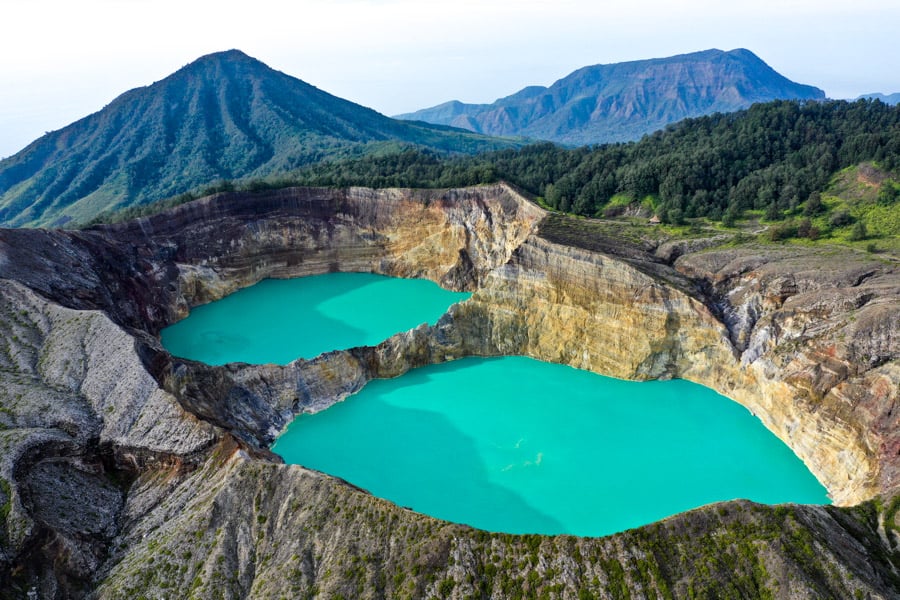
To make the most of your visit to Kelimutu during the rainy season, it is essential to pack appropriate gear, plan for flexible itineraries, and understand the weather patterns. This guide provides comprehensive advice for experiencing Kelimutu at its best in any season.
Kelimutu Rainy Season Travel Tips
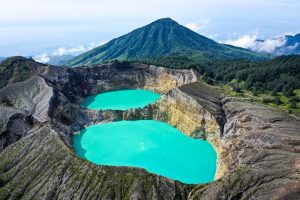
Visiting Kelimutu, a stunning attraction in Indonesia, during the rainy season offers a unique experience. The vibrant colours of the crater lakes are even more dramatic against the lush, green surroundings. However, it’s crucial to be prepared for the challenges that come with the wet weather.
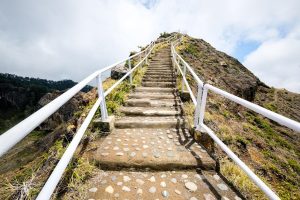
During the rainy season, which spans from November to April, the region is characterised by frequent rainfall, often in the form of heavy afternoon showers. It is advisable to start your excursions early in the morning, as rainfall typically increases later in the day. The temperatures range between 18°C and 28°C, which, combined with high humidity, can be quite challenging for some visitors. Therefore, carrying a water-resistant backpack with essentials such as water bottles, snacks, and a poncho is recommended. The rain also makes the trails slippery, so wearing sturdy hiking boots with good grip is essential.
What should travelers know about visiting Kelimutu during different seasons?
The experience of visiting Kelimutu varies significantly between seasons. The rainy season, typically from November to April, is marked by frequent showers and higher humidity, while the dry season spans from May to October, offering more predictable weather. Travelers should plan their visit according to their preferences for weather conditions and tourist crowds.
During the dry season, the weather is more stable with less precipitation and clearer skies. This period is ideal for those who prefer hiking and exploring without the inconvenience of rain. Temperatures during these months range from 16°C to 27°C, providing a more comfortable climate for outdoor activities. The dry season also coincides with the peak tourist period, so it is advisable to book accommodations and tours well in advance to secure your preferred options.
Kelimutu Dry Season Travel Guide
The dry season is often considered the best time to visit Kelimutu. With clearer skies and less rain, visitors can enjoy hiking and exploring the surrounding area without the inconvenience of wet weather. It’s advisable to book accommodations and tours in advance due to higher demand during this period.
The dry season is particularly appealing to photographers and nature enthusiasts. The reduced cloud cover allows for stunning sunrise views over the crater lakes. These early hours also offer the best lighting conditions to capture the vibrant colours of the lakes, which are known to change hues dramatically. The reduced humidity in this season makes for a more comfortable hiking experience, especially for those planning to explore the trails that weave through the surrounding forests and hills.
Kelimutu Weather by Month
| Month | Temperature (°C) | Rainfall (mm) |
|---|---|---|
| January | 18-28 | 300 |
| February | 18-28 | 280 |
| March | 18-28 | 260 |
| April | 18-28 | 200 |
| May | 17-27 | 150 |
| June | 16-26 | 100 |
| July | 16-26 | 60 |
| August | 16-26 | 50 |
| September | 16-26 | 70 |
| October | 17-27 | 120 |
| November | 18-28 | 180 |
| December | 18-28 | 250 |
The monthly breakdown of weather conditions is essential for planning your visit to Kelimutu. For instance, in January, with an average rainfall of 300 mm, visitors should expect the heaviest rains and plan their daily activities accordingly. In contrast, August, with only 50 mm of rainfall, is the driest month, offering the most stable weather for outdoor activities.
Packing Essentials for Kelimutu
- Waterproof clothing and sturdy hiking boots for rainy days.
- Light, breathable clothing for the dry season.
- Sun protection: hats, sunglasses, and sunscreen.
- Insect repellent and a first-aid kit.
- A reliable backpack for carrying essentials during hikes.
Preparing for a trip to Kelimutu requires careful consideration of the seasonal weather conditions. Waterproof clothing is indispensable during the rainy season to keep dry and comfortable. In contrast, light clothing made of breathable fabrics is more suitable for the dry season. Additionally, the sun can be quite strong, especially during the dry months, so adequate sun protection is crucial. Insect repellent is also recommended due to the presence of mosquitoes, particularly in the wetter months. A first-aid kit is a practical addition to your gear, as it allows for quick treatment of minor injuries or ailments encountered during hikes.
For more on planning your visit, explore our comprehensive travel guide or learn about the background of our editor on the About the Editor page.
2027 Note
As of 2027, Kelimutu continues to captivate visitors with its ever-changing lakes. Climate patterns remain consistent with past years, making it essential to choose the timing of your visit wisely. Increased eco-tourism initiatives have also improved accessibility and visitor facilities.
These initiatives include enhancements to trail maintenance, ensuring safer and more enjoyable hikes for visitors. Additionally, efforts have been made to provide better information and guides for tourists, facilitating a deeper understanding of the region’s natural and cultural significance. This commitment to eco-tourism is part of a broader strategy to preserve the unique environment of Kelimutu while accommodating the needs of its visitors.
FAQ
What is the best time to see the coloured lakes?
The best time to view the lakes’ vibrant colours is during the dry season, particularly in the early morning when the sunlight enhances the hues.
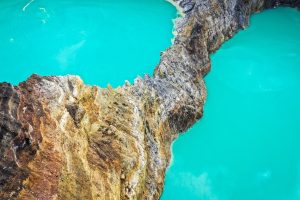
The early morning light not only highlights the vibrant colours but also offers a tranquil atmosphere before the arrival of larger crowds. The changing colours of the lakes are due to the varying mineral content in the water, influenced by volcanic activity beneath the surface.
Are there guided tours available year-round?
Yes, guided tours are available throughout the year, though schedules may vary during the rainy season.
During the rainy season, some tours may start later in the morning to avoid the heaviest rains, or they might take alternative routes to ensure safety. It is advisable to check with local tour operators for the most up-to-date schedules and options.
What should I pack for a visit to Kelimutu?
Pack layered clothing, waterproof gear, comfortable hiking shoes, sun protection, and a map or guidebook to enhance your experience.
Layered clothing is particularly useful as it allows you to adjust to the changing temperatures throughout the day. A map or guidebook can provide valuable insights into the area’s geology and history, enriching your experience as you explore this fascinating destination.