Photography at Kelimutu is a captivating experience, offering unique opportunities to capture the mystical three-coloured lakes. For the best results, consider visiting during sunrise for optimal lighting and a magical atmosphere. Understanding the right camera settings can enhance the beauty captured in your shots.
Kelimutu Photography Tips
Photographing Kelimutu requires a blend of preparation and creativity. The three crater lakes, each with a distinct hue, provide a surreal backdrop for photography enthusiasts. To make the most of your visit, follow these essential tips.
What are the best photography tips for capturing Kelimutu?
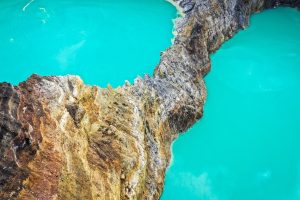
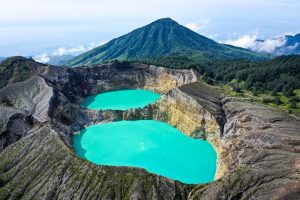
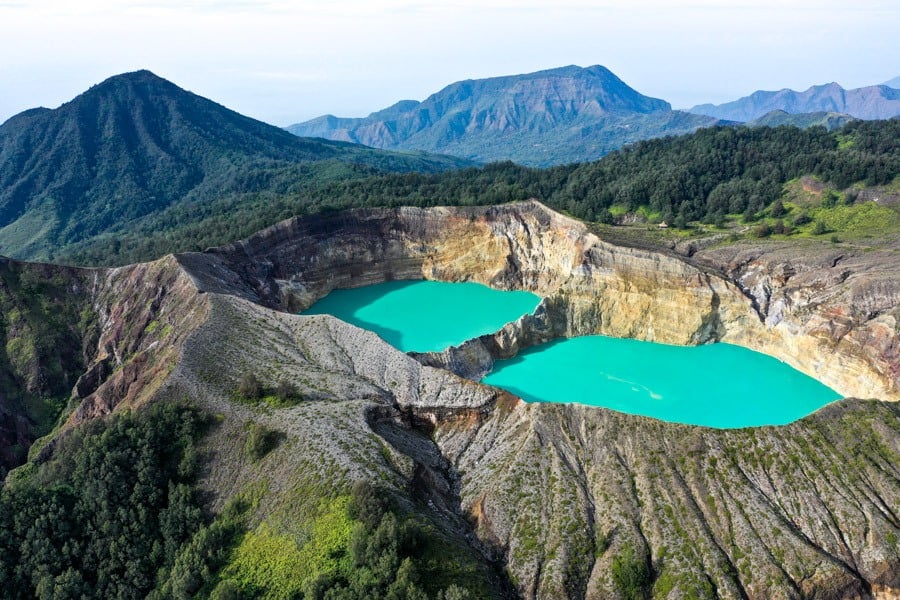
To capture Kelimutu in all its glory, arrive early to catch the sunrise. The area opens at around 4:30 AM, allowing ample time to set up before the first light. Use a tripod for stability, especially in low-light conditions, as the terrain can be uneven. Opt for a wide-angle lens to encompass the expansive landscape and adjust your camera settings to emphasize the contrasting lake colours. The lakes can change from turquoise to green, red, or even black, depending on the mineral content and oxidation state, so be prepared for a variety of colour palettes.
Best Camera Settings for Kelimutu Sunrise
Sunrise at Kelimutu is a spectacle worth capturing. Use a low ISO setting, such as ISO 100 or 200, to reduce noise and ensure image clarity. A small aperture (f/8-f/11) will ensure a deep depth of field, capturing both foreground and background details sharply. A shutter speed of around 1/30 to 1/60 seconds is ideal for capturing the changing light without motion blur. Consider bracketing your shots to ensure proper exposure, especially as the light conditions can change rapidly during sunrise.
How to Photograph Kelimutu Lakes
- Timing: Visit during early morning hours to avoid crowds and capture the lakes in soft, golden light. The golden hour, shortly after sunrise, is particularly favourable for photography.
- Composition: Use natural elements like the surrounding cliffs and vegetation to frame your shots. The rugged terrain and lush greenery can provide interesting contrasts and lead the viewer’s eye toward the lakes.
- Equipment: Bring a polarizing filter to reduce reflections and enhance the lakes’ colours. This can be particularly useful as the sun rises higher and reflections increase.
- Perspective: Experiment with different angles and heights to find unique views of the lakes. Climbing to higher vantage points can offer panoramic views, while getting closer to the water’s edge can provide intimate compositions.
Understanding the Unique Landscape
Kelimutu’s lakes change colours due to chemical reactions involving the minerals dissolved in the water. These changes are influenced by volcanic activity and the mineral composition, offering a dynamic and ever-changing subject for photographers. Each lake has its own distinct colour, which can shift over time. The local legends add a layer of cultural richness to the experience, as the lakes are believed to be resting places for departed souls. Familiarise yourself with the area through our detailed guides and plan your shots accordingly.
2027 Note on Photography Trends
In 2027, photography technology continues to evolve, with advancements in drone technology offering new perspectives of Kelimutu. Drones can capture aerial views that highlight the full expanse of the crater lakes and their surroundings. However, traditional photography remains vital, capturing the nuanced details and textures of the landscape. For photographers, it’s essential to stay informed about the latest techniques and equipment, which can be explored further in our editor’s insights.
FAQ
How can I best capture the changing colours of the lakes?
Use a polarizing filter to enhance colour contrast and shoot during the golden hours for the most vibrant colours. Additionally, consider using a graduated neutral density filter to balance the exposure between the bright sky and the darker foreground.
What equipment should I bring for photography at Kelimutu?
A tripod, wide-angle lens, and polarizing filter are essential for capturing the best shots of Kelimutu. A remote shutter release can also be beneficial to avoid camera shake during long exposures, while a lens cleaning kit will help keep your gear clear of dust and moisture.
Are there any restrictions for photography at Kelimutu?
While photography is generally permitted, always respect local guidelines and avoid damaging the environment. Drones may require special permissions, so check with local authorities before use. Staying on designated paths will help preserve the natural habitat and ensure the safety of both visitors and wildlife.