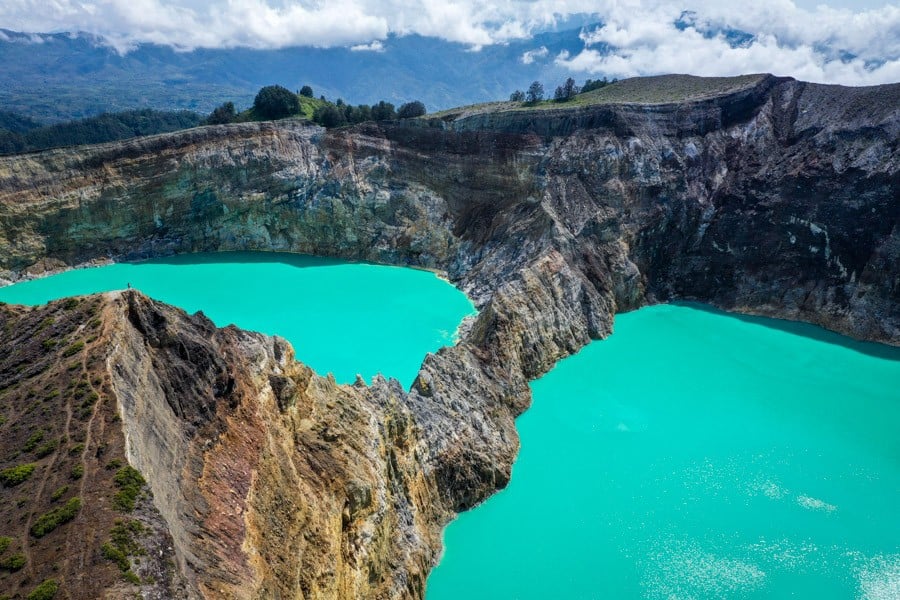
The Kelimutu sulfur lake chemistry is a fascinating natural phenomenon, attracting visitors with its vibrant and changing colours. These lakes, located in Indonesia, are known for their striking hues, including a red and a green lake. Understanding their unique chemistry provides insights into geological processes and natural beauty.
Kelimutu Sulfur Lake Chemistry
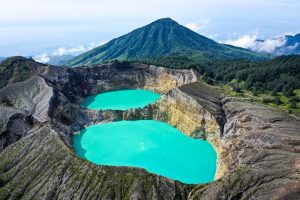
The Kelimutu lakes are a trio of volcanic crater lakes situated atop Mount Kelimutu on Flores Island, Indonesia. This mountain reaches about 1,639 metres above sea level, providing a stunning vantage point for observing the lakes. What makes these lakes extraordinary is their striking and variable colours, a phenomenon steeped in chemistry. The lakes are named Tiwu Ata Mbupu, Tiwu Nuwa Muri Koo Fai, and Tiwu Ata Polo, each exhibiting different hues. The lakes are set within craters formed by volcanic activity, with each lake being roughly 1,300 metres in diameter and varying in depth from 5 to 27 metres, depending on volcanic and climatic conditions.
The Chemical Composition Behind the Colours
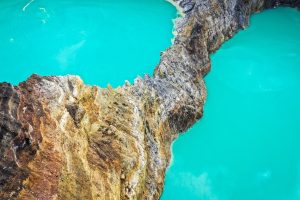
The unique colours of the Kelimutu lakes are primarily due to the volcanic gases that rise from beneath the lakes, interacting with minerals in the water. These gases include sulfur dioxide and hydrogen sulfide, which, when they react with water, form sulfuric acid. This acidic environment allows for the dissolution of minerals, influencing the lakes’ colours. The interaction of these gases with the minerals is complex and can change with shifts in volcanic activity, contributing to the dynamic nature of the lakes’ appearances.
- Tiwu Ata Polo: Known for its red hue, the colour is thought to arise from the oxidation state of dissolved iron reacting with volcanic gases. Iron undergoes oxidation in an acidic environment, resulting in various shades of red, from bright crimson to deep maroon, depending on the concentration and oxidation state.
- Tiwu Nuwa Muri Koo Fai: This green lake owes its colour to the presence of copper ions, which become more apparent under certain conditions. The presence of copper is influenced by the geochemical conditions within the lake, including pH levels and the presence of other minerals, which can enhance or dull the green shade.
Why is Tiwu Ata Polo Red?
Tiwu Ata Polo’s red colour results from high iron content, which oxidises in the presence of volcanic gases. The red hue can vary in intensity, influenced by changes in the gases emitted by the volcano and the lake’s mineral composition. Seasonal changes, such as rainfall, can also affect the lake’s chemistry by diluting the concentration of minerals, leading to shifts in colour intensity.
Why is Tiwu Nuwa Muri Koo Fai Green?
The green coloration of Tiwu Nuwa Muri Koo Fai is attributed to dissolved copper ions. These ions interact with the lake’s volcanic gases and minerals, leading to the vibrant green shade that captivates visitors. Factors such as temperature fluctuations and volcanic activity can influence the concentration of copper ions, thereby altering the lake’s appearance over time. Additionally, the presence of algae and other microorganisms can sometimes affect the lake’s colour, adding to the complexity of its chemical makeup.
2027 Note on Kelimutu Lakes
In 2027, the study of Kelimutu’s lakes continues to be essential for understanding volcanic activity and geochemical processes. Researchers from various institutions are employing advanced techniques such as remote sensing and on-site chemical analysis to monitor changes in the lakes. As more research is conducted, scientists are gaining deeper insights into how these lakes reflect the dynamic geological activity of the region. The data collected not only contributes to the understanding of volcanic lakes worldwide but also aids in predicting potential volcanic hazards, ensuring the safety of both local communities and visitors.
FAQ
What causes the unique colours of Kelimutu’s sulfur lakes?
The unique colours of the Kelimutu sulfur lakes are caused by chemical reactions between volcanic gases and minerals in the water. These reactions alter the lakes’ pH levels and mineral composition, leading to the vibrant hues seen in the lakes. The interplay of these factors is further complicated by environmental influences such as weather patterns and geological shifts.
How often do the lake colours change?
The colours of the Kelimutu lakes can change unpredictably due to shifts in volcanic activity and chemical composition, sometimes several times a year. Historical records and local observations indicate that colour changes can be triggered by volcanic eruptions, seismic activity, or even significant weather events, making each visit potentially unique.
Can visitors safely approach the lakes?
Yes, visitors can safely approach designated viewing areas around the lakes. However, due to the active volcanic nature of the region, it is crucial to follow local guidelines and safety instructions. The Indonesian government, along with local authorities, has established pathways and viewing platforms to ensure visitor safety while allowing for the appreciation of this natural wonder. It is advised to check with local guides or visitor centres for the latest safety information and any restrictions that might be in place due to volcanic activity.