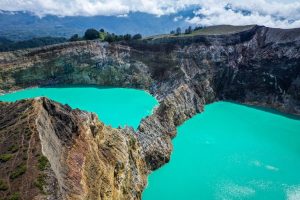
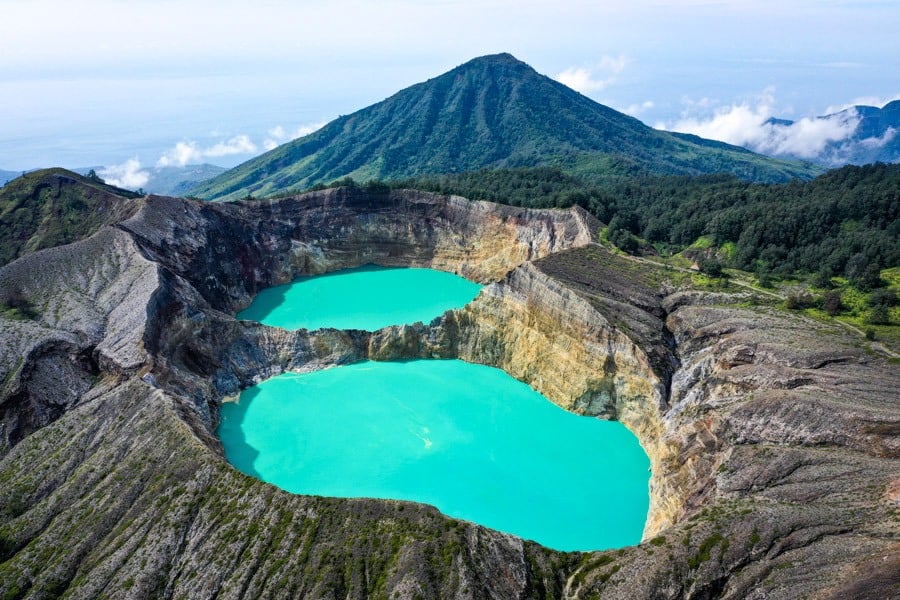
The cultural significance of Kelimutu lies in its profound connection to local beliefs and traditions, symbolised by its tri-coloured crater lakes, each believed to hold spiritual meaning for the indigenous communities.
Kelimutu Cultural Significance
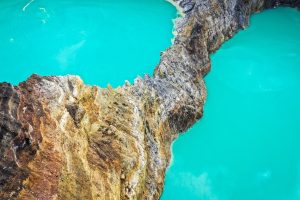
Kelimutu, situated on Flores Island in Indonesia, is renowned not only for its striking natural beauty but also for its profound cultural significance. The three volcanic lakes, each with distinct hues, are considered sacred and are deeply embedded in local culture and legends. The lakes are known to change colours, a phenomenon that adds to their mystical allure and cultural importance. These colour changes are attributed to the interaction of sunlight with the water and minerals, such as iron and manganese, which are present in varying concentrations. This natural spectacle attracts scientists and tourists alike, eager to witness the transformation from shades of blue and green to red and brown.
Kelimutu Sacred Lake Meaning
The lakes of Kelimutu are revered as sacred sites. Each lake holds a different spiritual meaning according to local legend. The Tiwu Ata Mbupu (Lake of Old People) is said to be a resting place for the souls of the elderly. This lake often appears a dark blue or black, symbolising wisdom and the end of life’s journey. The Tiwu Nuwa Muri Koo Fai (Lake of Young Men and Maidens) is believed to be where the souls of young people reside. It is usually a vibrant turquoise, reflecting the vitality and potential of youth. Lastly, the Tiwu Ata Polo (Bewitched or Enchanted Lake) is thought to be for the wrongdoers. Its colour varies dramatically, sometimes appearing blood red, representing the tumultuous nature of the souls it harbours. This belief system highlights the cultural significance of Kelimutu’s lakes as spiritual landmarks, deeply intertwined with the local community’s understanding of life and death.
Local Legend of Kelimutu
According to local legend, the lakes were formed from the tears of a heartbroken king. This tale, passed down through generations, adds a layer of cultural depth to the site. The ever-changing colours of the lakes are seen as manifestations of the spirits’ moods, a belief that continues to hold sway among the local population. The story tells of a king who, upon the loss of his beloved, wept so profoundly that his tears filled the craters, creating the lakes. The lakes’ colours are believed to reflect the king’s enduring sorrow and the spirits’ interactions with the natural world. This legend enhances the site’s cultural and spiritual appeal, drawing visitors who are intrigued by the intersection of natural phenomena and human storytelling.
Visiting Kelimutu
- The best time to visit is during the dry season from June to September, ensuring clear views of the lakes. During this period, rainfall is minimal, and the sky is often clear, providing ideal conditions for photography and sightseeing.
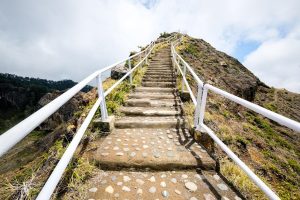
- Visitors can witness the sunrise over the lakes, a popular and culturally enriching experience. The trek to the summit, starting in the early morning, takes about 30 minutes from the nearest parking area. Watching the sun rise over the lakes is a profound experience, as the light enhances the lakes’ colours and the surrounding landscape.
- Engaging with local guides provides insights into the region’s cultural narratives. Local guides, often from nearby villages, share stories and explanations about the lakes’ significance, offering a personal connection to the area’s history and traditions.
For those planning a trip, understanding the cultural background enhances the experience. It’s advisable to respect local customs and participate in guided tours to fully appreciate Kelimutu’s cultural significance. Visitors should dress modestly and be mindful of local practices, such as not taking rocks or other natural items from the site. More details about planning visits can be found on our dedicated page.
2027 Note
As of 2027, Kelimutu continues to attract both cultural enthusiasts and nature lovers. The site remains integral to the identity of the Flores Island community, drawing attention to Indonesia’s wealth of traditions and natural wonders. The local government and conservation groups have made efforts to preserve the site, balancing tourism with ecological and cultural preservation. For more insights into cultural sites, explore our editorial features.
FAQ
What cultural significance does Kelimutu hold?
Kelimutu is culturally significant due to its three sacred lakes, each representing different spiritual beliefs in the local culture. These beliefs are part of the broader animistic traditions of the indigenous people, who view the lakes as a bridge between the physical and spiritual worlds.
Why do the Kelimutu lakes change colour?
The lakes change colour due to chemical reactions involving volcanic gases and minerals, a natural phenomenon observed by visitors. The gases released from the volcano interact with the minerals in the water, altering its composition and, consequently, its colour. This process is influenced by factors such as rainfall and temperature, which can affect the concentration of minerals like iron and sulphur in the water.
How can one experience Kelimutu’s cultural aspects?
To engage with Kelimutu’s cultural aspects, visitors should consider guided tours that explain local legends and participate in community events. These tours often include visits to nearby villages, where traditional dances and rituals provide a deeper understanding of the region’s cultural heritage. Participating in these activities not only enriches the visitor experience but also supports the local economy and helps preserve cultural traditions.