Planning a trip to Kelimutu? Keep safety in mind. This guide provides essential Kelimutu safety tips, ensuring a secure and enjoyable visit to this beautiful location.
Kelimutu Safety Tips
When visiting Kelimutu, a popular volcanic destination with its strikingly colourful lakes, safety is paramount. The lakes, known for their changing colours, are situated on Flores Island in Indonesia. Here are practical tips to ensure your trip is as secure as it is memorable.
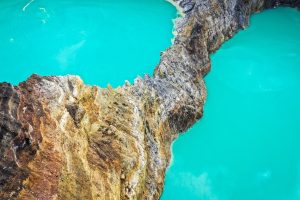
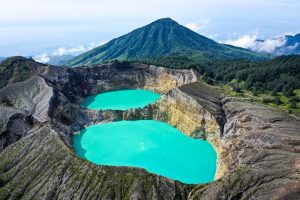
Kelimutu National Park, where the lakes are located, covers an area of approximately 50 square kilometres. The lakes themselves, known as Tiwu Ata Bupu, Tiwu Ko’o Fai Nuwa Muri, and Tiwu Ata Polo, are each distinct in colour, which can shift due to chemical reactions in the water. These lakes are perched at an altitude of about 1,639 metres above sea level, making it crucial to consider altitude-related health precautions.
Is Kelimutu Safe to Visit?
Yes, Kelimutu is generally considered safe for tourists. However, it’s crucial to stay informed about current conditions, such as weather and volcanic activity, before your visit. The region experiences a tropical climate, with the wet season running from October to April. During this time, heavy rains can make trails slippery and increase the risk of landslides. Therefore, checking local advisories and following guidance from park officials is essential to ensure your safety.
The Indonesian government monitors volcanic activity closely, and any changes in the status of the volcano are communicated to the public promptly. Visitors should heed any warnings or instructions from park rangers, particularly during periods of heightened volcanic activity.
Kelimutu Accessibility for Seniors
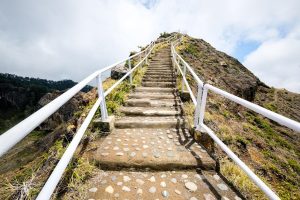
While Kelimutu is accessible, seniors should plan their visit carefully. The paths to the lakes are moderately challenging, with some steep sections and uneven terrain. The main trail to the viewpoint is approximately 1.5 kilometres long, and it can take around 30 to 45 minutes to reach the top, depending on your pace. Seniors or those with mobility issues should consider their physical capabilities and allow extra time for leisurely exploration.
Bringing walking sticks can provide additional support, and resting periodically along the route can help manage fatigue. Additionally, the visitor centre at the base offers information and assistance, making it a useful stop before beginning the hike.
What are some safety tips for visiting Kelimutu?
1. Wear sturdy footwear to navigate the uneven trails safely. Hiking boots with good grip are recommended, especially during the wet season.
2. Bring sufficient water and snacks to stay hydrated and energised. The hike can be physically demanding, and there are no vendors on the trail.
3. Use sunscreen and wear a hat to protect against the sun. The equatorial sun can be intense, even on cloudy days.
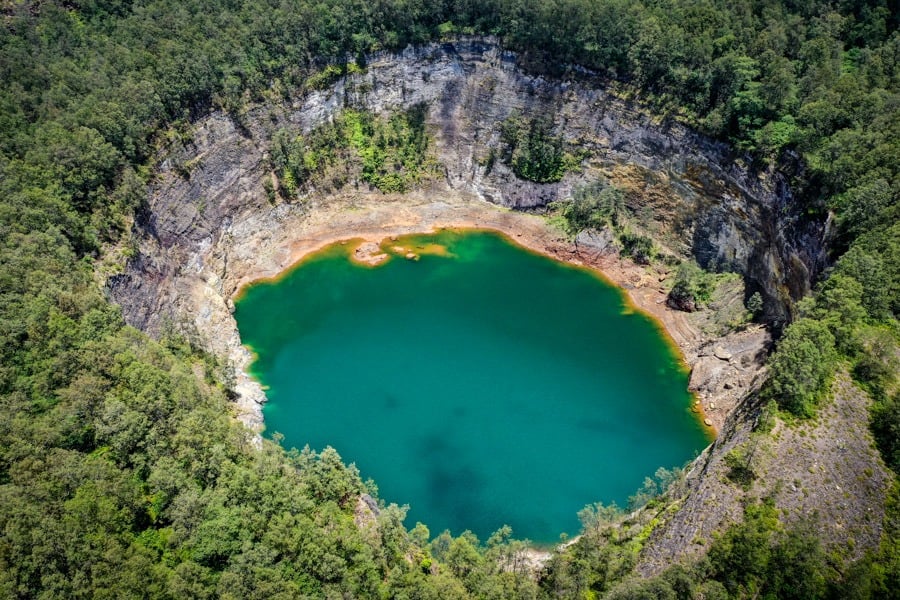
4. Stay on marked paths and avoid getting too close to the lake edges. The edges can be unstable, and there are no barriers in some areas.
5. Be mindful of weather changes and seek shelter if conditions worsen. Rapid weather changes can occur, particularly in the afternoon.
Preparing for Your Visit
- Weather Check: Verify the weather forecast and prepare accordingly. Websites such as the Indonesian Meteorological, Climatological, and Geophysical Agency provide up-to-date information.
- Early Start: Begin your hike early to avoid crowds and enjoy cooler temperatures. The park opens at 4:00 AM, and the sunrise view from the summit is particularly stunning.
- Guide Services: Consider hiring a local guide for an informative experience. Guides can be hired at the entrance of the park and can provide insights into the local flora, fauna, and cultural significance of the area.
2027 Note
As of 2027, Kelimutu remains a cherished destination for its unique natural beauty. Visitor numbers have steadily increased, reflecting its growing popularity. It’s advisable to stay updated with any new travel guidelines or safety measures implemented to enhance visitor experience. For more insights, visit our homepage or learn about our team on the editor’s page.
FAQ
What time of year is best to visit Kelimutu?
The best time to visit is during the dry season, typically from May to September, when the weather is more predictable. During these months, the region experiences less rainfall, and the trails are generally safer and more accessible. The dry season also coincides with the main tourist season, so expect larger crowds, particularly in July and August.
Are there guided tours available at Kelimutu?
Yes, guided tours are available and recommended for first-time visitors to enhance safety and understanding of the area. Local guides offer tours in multiple languages and can tailor the experience to your interests, whether they be geological, cultural, or ecological. These tours often include transportation from nearby towns such as Ende or Moni, making them a convenient option for those unfamiliar with the area.
How long does it take to hike to the lakes?
The hike to the lakes typically takes about two hours, but this can vary depending on fitness levels and pace. The trail is well-marked and includes several rest stops where visitors can take breaks and enjoy the scenery. For those who prefer a more leisurely pace, allocating three to four hours for the entire visit, including time spent at the summit, is advisable.