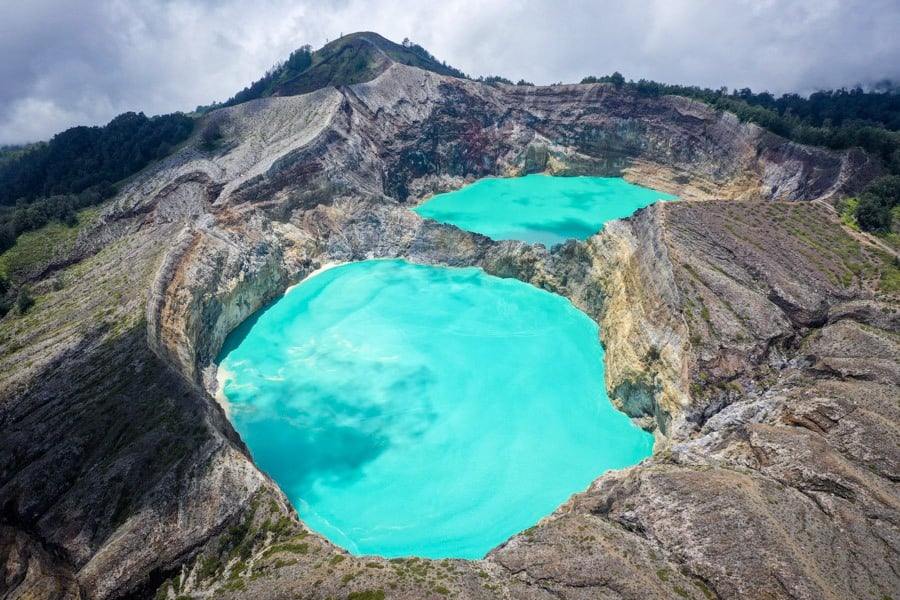
Flying a drone at Kelimutu in 2027 requires adherence to specific regulations to ensure the preservation of this unique volcanic site. Understanding these rules and practicing thoughtful photography can enhance your experience.
Kelimutu Drone Rules 2027
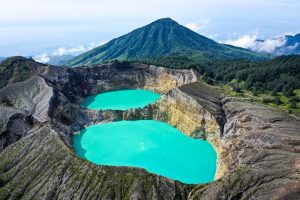
In 2027, flying drones at Kelimutu requires compliance with updated regulations to safeguard the delicate environment of the three-coloured crater lakes. The regulations are designed to protect not only the natural beauty of Kelimutu but also the safety of visitors and wildlife. Operators must obtain necessary permits and adhere strictly to no-fly zones, which are designated to prevent disturbances to the area’s ecosystem. The no-fly zones typically include areas directly above the crater lakes and specific regions where wildlife is known to inhabit. These measures are crucial for preserving the site’s integrity and ensuring that it remains a destination for future generations to appreciate.
Are Drones Allowed at Kelimutu, and What Are the Best Tips for Drone Photography?
Yes, drones are allowed at Kelimutu, but operators must adhere to guidelines issued by local authorities. The guidelines include obtaining a permit, which may require a small fee and proof of insurance. This process helps to ensure that only responsible operators fly drones in the area. Some of the best tips for drone photography include planning your shots to capture the unique colours of the lakes, which can change depending on the time of day and season. Early morning and late afternoon often provide the best lighting conditions, with softer light that enhances the vivid hues of the lakes. Additionally, it’s important to respect no-fly zones and be mindful of weather conditions, as sudden changes in weather can pose risks to drone operation.
Can I Fly a Drone at Kelimutu?
Drone enthusiasts can fly at Kelimutu, provided they follow the specific regulations set by park authorities. It’s crucial to check the latest guidelines before your visit to avoid any fines or complications. Regulations may require operators to keep their drones within their line of sight at all times, maintain a maximum altitude limit, and avoid flying over areas with high visitor traffic to ensure safety. Additionally, operators may need to demonstrate their understanding of local wildlife patterns to avoid any disturbances. Being informed about these requirements can prevent potential legal issues and contribute to a positive experience for all visitors.
Key Drone Photography Tips for Kelimutu
- Plan Your Flight: Familiarize yourself with the landscape and identify the best angles before taking off. Consider using online maps and satellite imagery to scout potential locations and angles in advance. This preparation can help you maximise your time on site and capture the most compelling images.
- Check Weather Conditions: High winds or rain can affect drone stability and safety. It’s advisable to check local weather forecasts regularly and be prepared to adjust your plans if needed. The weather in this region can change rapidly, especially during the rainy season, which typically runs from November to March.
- Respect Wildlife and Nature: Maintain a safe distance from wildlife and avoid disturbing the natural habitat. This includes avoiding flight paths that take you over nesting areas or along known migration routes. Observing these precautions helps to protect the local flora and fauna.
- Be Aware of Battery Life: Ensure your drone has sufficient power for the flight and return journey. Consider carrying extra batteries and a portable charger, especially if you plan to fly for extended periods. The altitude and potential cold weather can affect battery performance, so monitoring battery levels closely is crucial.
- Follow Local Regulations: Always adhere to the rules set by authorities to protect the environment. This includes any temporary restrictions that might be in place due to environmental or safety concerns. Staying informed about these regulations helps to ensure a safe and enjoyable experience.
2027 Note
Given the evolving nature of drone regulations, it’s important to stay updated on any changes that may occur in 2027. Regularly check for updates on the official site to ensure compliance during your visit. Authorities may introduce new guidelines or adjust existing ones based on environmental assessments or technological advancements in drone capabilities. Keeping abreast of these updates ensures that your activities remain within legal bounds and reflect best practices for environmental stewardship.
Additional Tips for Drone Enthusiasts
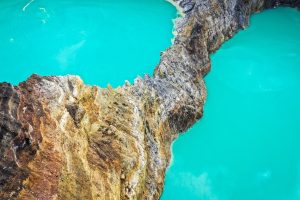
Along with technical guidelines, consider the aesthetic aspects of your photography. Capturing the vibrant colours of the lakes during different times of the day can yield stunning results. For instance, the lakes’ colours can range from turquoise to green, red, and even black, depending on mineral content and light conditions. Experiment with various angles and lighting to enhance your portfolio. Using filters can help manage the intense sunlight and bring out more detail in your images. For more insights, visit our editor’s page.
FAQ
What are the specific regulations for flying drones at Kelimutu in 2027?
Regulations include maintaining a set distance from the lakes, avoiding no-fly zones, and obtaining necessary permits if required. The permits may include specific flight duration limits and designated flight paths to minimise environmental impact. Always check with local authorities for the most current rules, as these can change based on ongoing environmental assessments or technological advancements.
How can I ensure my drone photography does not impact Kelimutu’s environment?
To minimise impact, avoid flying over sensitive areas, keep noise levels low, and respect all wildlife and plant life. Ensure your drone’s path does not disturb other visitors. Staying informed about local wildlife patterns and adhering to designated flight paths can help prevent any negative impact on the environment. Additionally, using drones with quieter propellers can reduce noise pollution.
What equipment is recommended for drone photography at Kelimutu?
It’s advisable to use a drone with a high-resolution camera and stabilisation features to cope with potential wind conditions. Models with GPS tracking and obstacle avoidance capabilities are particularly useful in this type of environment. Carry extra batteries and a reliable case for equipment protection, as the terrain can be rugged, and weather conditions unpredictable. Additionally, consider using a sunshade for your remote controller screen to improve visibility in bright conditions.