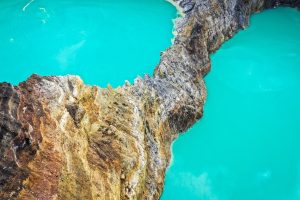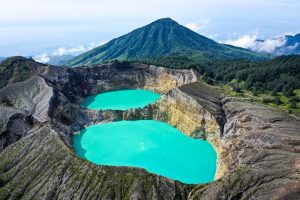
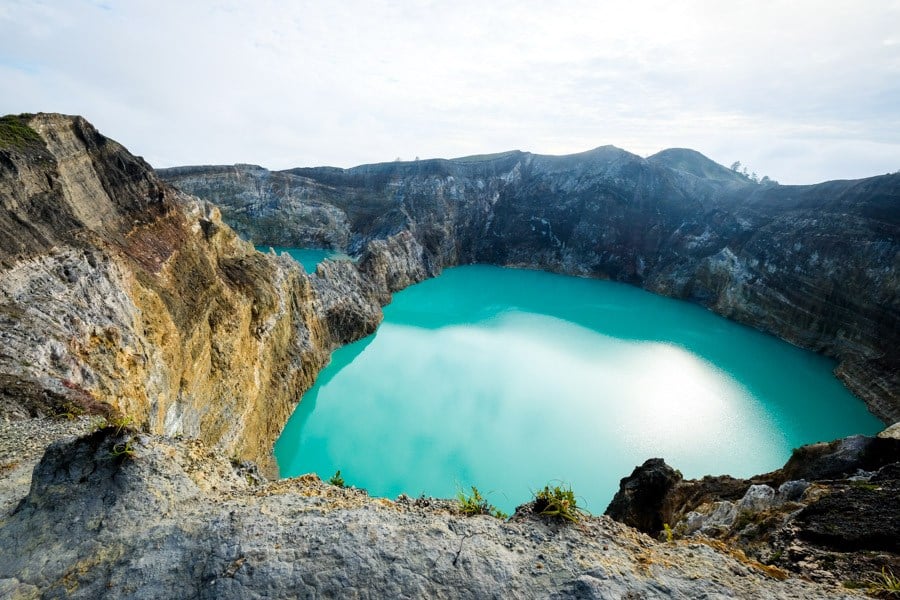
Explore the allure of Kelimutu, a volcanic marvel in Indonesia, renowned for its tri-coloured lakes. Understand the hike’s difficulty level, trail conditions in 2027, and preparation tips for an unforgettable adventure.
Kelimutu Hiking Difficulty Level
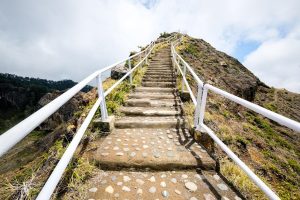
The hike to Kelimutu is moderately challenging, making it accessible for most with a reasonable level of fitness. The trails are well-maintained, though some sections can be steep or rocky. The total elevation gain from the base to the summit is approximately 1,300 metres, which can be demanding for those not accustomed to hiking. It’s advisable to wear sturdy hiking boots to navigate the uneven and sometimes slippery terrain. Carrying at least two litres of water is recommended to stay hydrated, especially during the warmer months.
How Hard is the Kelimutu Hike?
Despite a few steep inclines, the Kelimutu hike is generally manageable for those with moderate hiking experience. The estimated time to reach the summit is around 1.5 to 2 hours, covering a distance of approximately 4 kilometres. This makes it a suitable choice for day excursions, allowing hikers to start in the morning and return by early afternoon. The path begins at an altitude of about 1,200 metres, reaching the peak at roughly 1,640 metres. It’s important to pace oneself and take breaks as needed, particularly for those not acclimatised to higher altitudes.
Kelimutu Trail Conditions in 2027
In 2027, trail conditions at Kelimutu are expected to remain favourable, with local authorities maintaining pathways to ensure safety and accessibility. Seasonal weather can affect trail accessibility, so it’s wise to check conditions beforehand. The best times to visit are during the dry months, from May to September, when rainfall is minimal and trails are less muddy. During the wet season, from October to April, trails might be slippery and more challenging due to increased rainfall and occasional landslides, particularly in January and February.
Preparing for Your Kelimutu Adventure
- Wear appropriate hiking gear: breathable clothing, sturdy footwear. Lightweight, moisture-wicking materials are recommended to keep comfortable throughout the hike.
- Start early to avoid afternoon heat and catch sunrise views. The gates to the park open at 4:30 AM, allowing hikers to witness the stunning sunrise over the lakes, a highlight for many visitors.
- Bring essentials: water, snacks, sun protection, and a camera. High-energy snacks like nuts and dried fruits can help maintain energy levels.
- Check local weather forecasts before your hike. Weather conditions can change rapidly, and being prepared can ensure a safer experience.
2027 Note: Kelimutu Hiking Updates
As of 2027, Kelimutu continues to captivate hikers with its unique natural beauty. With ongoing conservation efforts, the trails are well-preserved, ensuring a safe and enjoyable hiking experience. Local authorities have implemented measures to minimise environmental impact, such as designated pathways and waste disposal points. Keep updated on any new developments through local tourism boards or the Kelimutu National Park Authority’s official website, which provides current information on trail conditions and any temporary closures due to maintenance or weather.
FAQ
What is the difficulty level of the hike to Kelimutu?
The hike to Kelimutu is considered moderately challenging, suitable for individuals with a reasonable fitness level. While the hike is not overly strenuous, some sections require careful navigation due to uneven surfaces and elevation changes.
What should I pack for a hike to Kelimutu?
Pack light yet essential items: water, snacks, sun protection, and a camera. Wear breathable clothing and sturdy hiking boots. A small first aid kit can also be useful for minor injuries, and a hat and sunglasses can provide additional sun protection.
When is the best time to hike Kelimutu?
The best time to hike Kelimutu is during the dry season, from May to September, when trail conditions are most favourable. During these months, temperatures are generally cooler, and the risk of rain is significantly lower, making for a more pleasant hiking experience.