- The fee is paid in cash at the main entrance gate.
- Additional tariffs apply for vehicles and professional photography.
- These funds directly support conservation and local community initiatives.
The air is thin and carries a distinct chill, a sharp contrast to the humid embrace of Flores’ lowlands. It’s 4:30 AM, and the only sounds are the low rumble of our Land Cruiser’s engine and the gentle whisper of the wind through alpine casuarina trees. A sliver of pre-dawn light begins to trace the jagged silhouette of the volcanic caldera ahead. This is the pilgrimage to Kelimutu, a journey that culminates not just in a visual spectacle, but in an experience that feels primordial. As we approach the park gate, the first tangible step of this journey presents itself: the payment of the park entrance fee. It’s a simple transaction, yet it represents the gateway to one of Indonesia’s most profound natural wonders and a crucial investment in its preservation.
A Definitive Breakdown of the Official Kelimutu National Park Entrance Fees
Understanding the costs associated with a world-class natural site can often be opaque, but the authorities at Kelimutu have established a clear and structured fee system. As of our last visit in early 2024, the primary consideration for any international traveler is the distinction between weekday and weekend visits. The official Kelimutu National Park fees for foreign nationals are set at IDR 150,000 per person for entry from Monday to Friday. This fee increases by 50% for visits on Saturdays, Sundays, and national public holidays, rising to IDR 225,000 per person. For context, the fee for domestic visitors is considerably lower, at IDR 5,000 on weekdays and IDR 7,500 on weekends, a common practice in national parks across Indonesia to encourage local tourism. This pricing structure is mandated by the central government and enforced by the park’s governing body, the Balai Taman Nasional Kelimutu.
It is paramount to understand that this fee is a per-person, per-day tariff. If you plan to visit the lakes for sunrise and then return for a different perspective in the afternoon light, your ticket remains valid for the entire day. The fee you pay is a direct contribution to the park’s operational integrity. It funds everything from the salaries of the rangers who patrol the 5,356.5-hectare park to the maintenance of the viewing platforms and trails that ensure visitor safety. More importantly, it fuels the critical conservation programs that monitor the delicate geochemical balance of the three lakes, ensuring their unique, shifting colors can be witnessed by generations to come. This isn’t merely an entry ticket; it’s an investment in the stewardship of a global treasure.
Beyond the Gate: Understanding Ancillary Costs and Vehicle Tariffs
While the per-person entrance fee is the most significant line item, a complete financial picture requires accounting for several ancillary costs. The most immediate of these are the vehicle entry tariffs, which are paid at the gate alongside your personal fee. These are modest but mandatory. A motorcycle or scooter is charged IDR 5,000, while a standard car, SUV, or private van incurs a fee of IDR 10,000. Larger vehicles like tour buses face a higher tariff. This fee is for the vehicle itself, not its occupants, and covers its access and parking within the designated areas near the final ascent to the viewpoints. It’s a small but essential part of a comprehensive breakdown of what to budget for your trip to this part of Flores.
Furthermore, for those looking to capture more than just personal memories, there are specific fees for professional activities. Commercial filming and professional photography, particularly for projects like pre-wedding shoots, require special permits and are subject to a substantially higher fee, often around IDR 1,000,000. Drone operation is another area of strict regulation. Flying a drone within the national park is not permitted without prior written authorization from the park office in Moni. The process for obtaining this permit can be complex and is designed to protect both the fragile environment and the safety of other visitors. For the average traveler with a DSLR or smartphone, these special fees do not apply. However, being aware of them underscores the park’s commitment to managing its image and resources, ensuring that commercial exploitation does not detract from the natural experience.
The Art of Engagement: Tipping and Local Guide Services
The official Kelimutu National Park fees cover your access, but they don’t encompass the rich layer of narrative and local knowledge that a skilled guide can provide. While hiring a guide is not mandatory to enter the park, we at Departures consider it an essential part of the experience. A great local guide, like our trusted contact in Moni, Bapa Gregorius, transforms a beautiful view into a living story. He can point out the specific spot where the Lio people make their annual offerings, explain the animist beliefs tied to each lake, and identify the calls of the endemic Bare-throated Whistler bird. The going rate for a private guide for the sunrise tour typically ranges from IDR 250,000 to IDR 400,000. This fee is negotiated directly with the guide or through your accommodation and is separate from any park-levied charges.
Tipping etiquette in Flores, as in much of Indonesia, is appreciative rather than obligatory. There isn’t a fixed percentage you are expected to add. However, for exceptional service, a gratuity is a meaningful gesture that directly supports the guide and their family. A tip of IDR 50,000 to IDR 100,000 for a private guide who has enriched your morning is a common and well-received amount. The same principle applies to your driver, who likely navigated the winding, steep road to the park in complete darkness. A small token of appreciation acknowledges their skill and professionalism. Engaging these local services is not just a transaction; it’s a form of sustainable tourism, ensuring that the economic benefits of a world-renowned site like Kelimutu Lake are distributed within the immediate community that calls its slopes home.
Conservation in Action: How Your Fees Protect a Geological Marvel
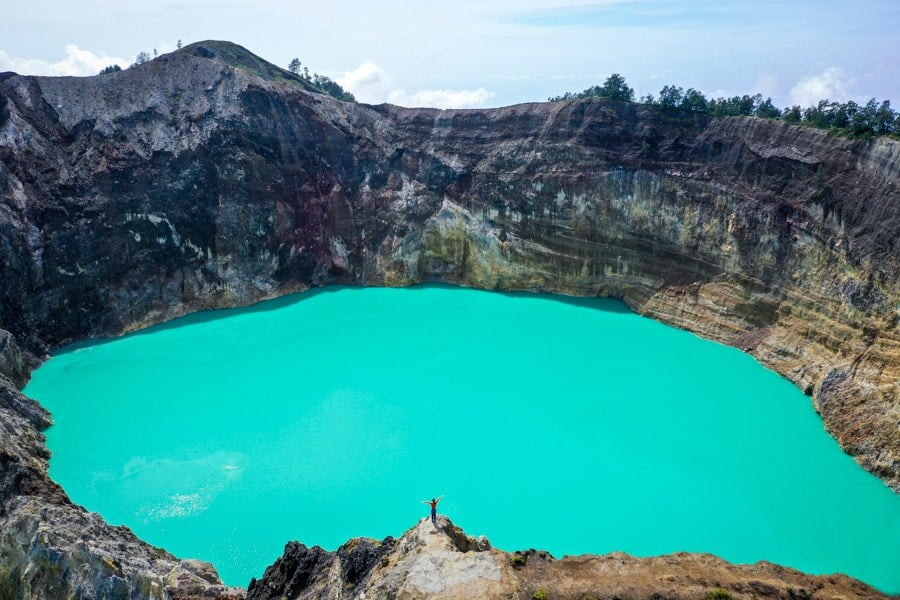
It can be easy to view park fees as a simple barrier to entry, but at Kelimutu, they are the lifeblood of a complex and vital conservation ecosystem. This volcanic peak is more than just a tourist attraction; it is a designated national park established in 1992 and a critical part of Indonesia’s rich biodiversity. The funds generated from the Kelimutu National Park fees are funneled directly into programs that protect this unique environment. This includes regular patrols to prevent illegal logging and poaching, scientific monitoring of the volcanic activity and the water chemistry of the lakes, and reforestation projects on the mountain’s slopes. Your IDR 150,000 is a direct investment in the science that seeks to understand why Tiwu Nuwa Muri Koo Fai (Lake of Young Men and Maidens) shifts from turquoise to milky white, while Tiwu Ata Polo (Bewitched Lake) can change from ruby red to a deep, brooding brown.
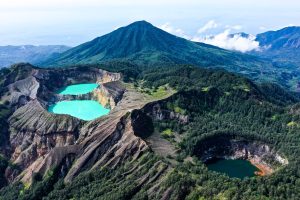
The park’s significance is recognized on a global scale, with its unique geological and cultural landscape placing it in consideration for broader heritage status, as detailed by organizations like UNESCO. The fees also support the relationship between the park and the local Lio community. A portion of the revenue is often allocated to community development programs, creating a symbiotic relationship where the preservation of the natural environment provides tangible benefits to the people who have been its ancestral guardians for centuries. When you stand at the viewpoint, looking out over the three craters, you are witnessing the result of this stewardship. Our definitive guide to the tri-colored lakes delves deeper into their cultural importance, but it is the entrance fee that provides the practical means to protect both the physical lakes and their sacred traditions.
Navigating Payment: The On-the-Ground Realities of Cash and Connectivity
In an age of digital wallets and tap-to-pay, the logistics of paying the Kelimutu National Park fees are refreshingly analog. The ticket booth at the park’s main gate operates on a cash-only basis. The remote location and often-unreliable internet connectivity make electronic payment systems impractical. This is a critical piece of information for any traveler planning a visit. Do not arrive at the gate at 5:00 AM expecting to pay with a credit card or a digital app. You will, in all likelihood, be turned away. The currency required is Indonesian Rupiah (IDR), and it is essential to have the exact amount, or at least small enough denominations to facilitate the transaction smoothly.
Our strong recommendation is to withdraw sufficient cash in one of Flores’ larger towns, such as Ende or Maumere, before making your way to the village of Moni, the primary base for visiting Kelimutu. While Moni has one or two ATMs, their reliability is notoriously fickle—they can be out of cash or offline for days at a time. For a couple visiting on a weekend, you will need at least IDR 450,000 for the entrance fees alone, plus another IDR 10,000 for the car. We advise carrying a minimum of IDR 700,000 in cash per person to cover the park fees, your guide, potential tips, and a hot coffee or tea from the local vendors at the summit. Proper financial preparation is key, and planning your finances for the trip will ensure a seamless and stress-free experience, allowing you to focus on the geological wonder before you, not a frantic search for cash in the dark.
Quick FAQ on Kelimutu National Park Fees
Are the entrance fees for Kelimutu National Park different on weekends?
Yes, they are. For foreign visitors, the weekday (Monday-Friday) fee is IDR 150,000 per person. This increases to IDR 225,000 per person on Saturdays, Sundays, and Indonesian national holidays.
Can I pay the Kelimutu entrance fee with a credit card?
No, payment by credit or debit card is not available at the park entrance. You must pay in cash using Indonesian Rupiah (IDR). It is crucial to withdraw sufficient cash in a larger town before arriving in Moni.
Is the fee the same for the sunrise tour versus a daytime visit?
The park entrance fee is a daily ticket, valid from open to close. The price is the same whether you enter at 4:30 AM for sunrise or at noon. The cost of your transportation and guide will likely be higher for a pre-dawn start, but the official park fee does not change based on the time of day.
Do children pay the full entrance fee?
Park policy on this can vary, but generally, there may be reduced rates for children under a certain age (often 10 or 12). However, these policies can be inconsistently applied. It is best to have enough cash to cover the full adult fee for all members of your party and consider any discount a welcome bonus.
The cost of admission to Kelimutu is more than a simple fee; it is your contribution to the preservation of one of the planet’s most ephemeral and mysterious natural phenomena. It is the price for a front-row seat to a display of geochemistry so potent it was once believed to be the resting place for departed souls. As documented by sources like Wikipedia, the science behind the colors is as fascinating as the local lore. This fee ensures that the infrastructure remains safe, the environment pristine, and the local culture respected. It is a small price for an experience that will undoubtedly become a cornerstone of your travel memories. Begin planning your own journey to the extraordinary Kelimutu Lake with our expert guidance, and prepare to witness a landscape that truly defies description.