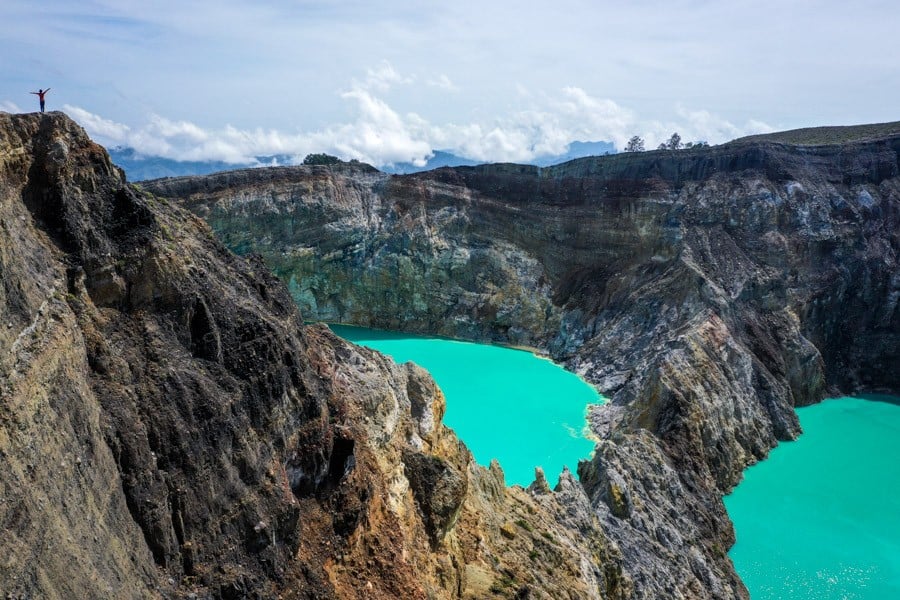
- Optimal Weather: Expect minimal rainfall and clear, crisp mornings, perfect for photography.
- Peak Visibility: The dry air enhances the vivid, shifting colors of the three volcanic crater lakes.
- Cultural Festivities: August coincides with Indonesian Independence Day, offering unique cultural experiences in nearby villages.
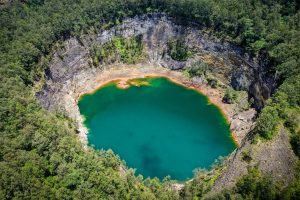
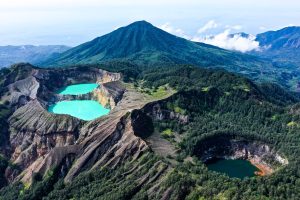
The air is thin, cool, and carries the faint, sharp scent of sulfur on the breeze. It’s 4:45 AM, and the pre-dawn light is just beginning to ghost across the eastern sky, outlining the caldera of Mount Kelimutu. You stand at the Inspiration Point, a concrete pillar marking the highest viewpoint, a silent congregation of travelers around you, all waiting. The chill at this 1,639-meter altitude is a stark contrast to the tropical warmth of the Flores lowlands you left behind. Then, as the sun breaches the horizon, it ignites the landscape, revealing the three craters below. They aren’t filled with molten rock, but with water of impossible, shifting colors—a spectacle that makes the early start and the winding mountain roads entirely worthwhile. This is the magic of the kelimutu lake, and in August, that magic is at its most potent.
Why August is the Premier Month for Your Kelimutu Expedition
Timing, as any seasoned traveler knows, is everything. While Flores offers its raw beauty year-round, August presents a confluence of factors that elevate a visit to Kelimutu from a memorable trip to a truly superlative experience. The primary driver is the climate. August sits squarely in the heart of Indonesia’s dry season, a period characterized by exceptionally low precipitation and an abundance of sunshine. For the Kelimutu National Park region, this translates to an average monthly rainfall of less than 20 millimeters, a stark contrast to the 250+ millimeters seen during the wet season peak in January. The practical implication is clear: your chances of witnessing the legendary Kelimutu sunrise, unobstructed by clouds or mist, are at their absolute zenith. The crisp, dry air also enhances visibility, allowing the sun’s first rays to paint the volcanic landscape in sharp, dramatic relief.
This favorable weather extends beyond the sunrise spectacle. The paths and steps leading to the various viewpoints are dry and secure, making the pre-dawn trek safer and more comfortable. Furthermore, August 17th marks Indonesian Independence Day (Hari Kemerdekaan), a day of immense national pride and celebration. In the small towns surrounding Kelimutu, such as Moni and Ende, you are likely to encounter vibrant local festivities, from parades to community games. This offers a rare opportunity to engage with local culture in a context of genuine celebration, a layer of experience that enriches the journey far beyond the geological marvel itself. As our on-the-ground coordinator in Flores, Maria Endang, often advises clients, “To see Kelimutu is to see nature’s power, but to see it in August is to feel the full, vibrant pulse of Flores itself.” Of course, perfect conditions attract discerning travelers; August is peak season. It is essential to plan your Kelimutu Lake expedition well in advance, securing accommodations and private transport at least three to four months prior to ensure access to the best options.
The Chromatic Phenomenon: Understanding the Lakes’ Colors in August
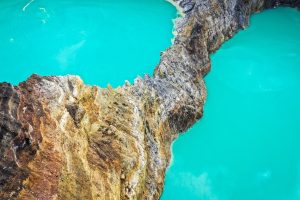
The allure of Kelimutu lies in its three crater lakes, each with its own distinct and mutable color. These are not static bodies of water; they are living, breathing chemical cauldrons. The dramatic color shifts—from turquoise to black, from milky white to a deep claret—are a direct result of the upwelling of volcanic gases and the subsequent chemical reactions with the minerals dissolved in the water. According to geological surveys of the volcano, the constant flux of fumaroles releasing substances like sulfur dioxide and hydrogen sulfide from below alters the water’s oxidation-reduction state, which in turn dictates its perceived color. In August, the stable, dry weather plays a fascinating role in this display. With minimal rainwater to dilute the mineral concentrations, the colors of the lakes can appear particularly saturated and intense. The lack of cloud cover also means the angle and quality of sunlight—from the soft, angled light of dawn to the direct, overhead glare of midday—interacts with the water differently, revealing a dynamic range of hues throughout the day.
The local Lio people have their own profound understanding of the lakes, woven into their spiritual cosmology. They are not merely geological features but the resting places for departed souls. Tiwu Ata Bupu (Lake of Old People) is typically a shade of blue or white, where the spirits of the righteous elderly reside. Tiwu Ko’o Fai Nuwa Muri (Lake of Young Men and Maidens) is often a vibrant turquoise or green, the destination for the souls of the young. The third, Tiwu Ata Polo (Bewitched or Enchanted Lake), frequently appears a deep red or even black, and is said to be the resting place for those who were malevolent in life. While the scientific explanation is fascinating, witnessing these lakes in person makes it easy to appreciate the power of the traditional beliefs. The sight of these three distinct, otherworldly pools of color, separated only by thin crater walls, is a powerful visual that transcends simple explanation. Visiting during the clear skies of August ensures you see this incredible triptych under the best possible light.
Your August Itinerary: From Dawn Patrol to Cultural Immersion
A successful visit to the Kelimutu lakes is a precisely orchestrated affair, beginning long before the sun appears. Most travelers base themselves in the nearby village of Moni, a 45-minute to one-hour drive from the park entrance. The day begins with a 3:30 AM wake-up call, followed by a departure in a pre-arranged private vehicle no later than 4:00 AM. The journey itself is part of the experience, a winding ascent through the cool mountain air under a canopy of stars. Upon arrival at the main parking area, which sits at an elevation of around 1,500 meters, a brisk 20 to 30-minute walk awaits. The path is well-maintained, with a combination of dirt trails and concrete steps, but the altitude and pre-dawn chill make a light jacket or fleece indispensable. You’ll ascend the final 130 vertical meters to the main viewpoint, arriving with just enough time to find a prime position before the celestial show begins around 5:45 AM.
After the sun has risen and the initial crowds begin to dissipate, the true exploration begins. Take the time to walk the trails that lead to different perspectives, offering views of the individual lakes. The stark, arid landscape of the volcano, punctuated by the impossibly colored water, is a photographer’s dream. Safety is paramount; the crater rims are unstable, and it is crucial to respect the barriers and stay on the marked paths. By 8:00 AM, the experience at the summit is complete. The descent offers a new perspective, with the morning light revealing the lush valleys and terraced farms of the surrounding region. The remainder of the day should be dedicated to cultural discovery. We often arrange for our clients to visit Wologai, a traditional Lio village with unique conical-roofed houses, located about 40 kilometers from Moni. Here, you can witness the intricate process of creating Flores’ famous ikat textiles and gain a deeper understanding of the culture that holds the Kelimutu Lake Flores as its spiritual center. This blend of natural wonder and authentic cultural engagement creates a holistic and deeply satisfying Floresian experience.
Securing Your Luxury Stay: Where to Base Yourself Near Kelimutu
The raw, untamed nature of Flores is its primary draw, but this does not mean sacrificing comfort. For the discerning traveler, choosing the right base of operations for a Kelimutu expedition is a critical decision. The village of Moni, set in a valley just 15 kilometers from the park, is the most convenient option. While traditionally known for its rustic guesthouses, a select few premium lodges have emerged, catering to a more demanding clientele. Properties like the Kelimutu Crater Lakes Ecolodge offer bungalows with private verandas overlooking rice paddies, en-suite bathrooms with hot water—a true luxury in this remote region—and on-site restaurants serving a fusion of local and international cuisine. Booking one of these premier options is essential for an August trip and should be done up to six months in advance to avoid disappointment. The advantage of staying in Moni is undeniable: the short travel time to the volcano for sunrise is a significant comfort in the early hours.
Alternatively, for those seeking a higher standard of accommodation and a wider array of amenities, basing oneself in the coastal towns of Ende or Maumere is a viable strategy. Ende, located approximately 50 kilometers south of Kelimutu, offers boutique hotels with facilities such as swimming pools and more extensive dining options. Maumere, though further at around 90 kilometers east, boasts some of the island’s best resorts, often situated on pristine beaches. From these bases, Kelimutu becomes a full-day excursion. A private, air-conditioned vehicle with a knowledgeable driver is non-negotiable for this approach. The journey from Ende takes around 2 hours, while the trip from Maumere is closer to 3.5 hours, necessitating an even earlier start (around 1:30 AM). While this may seem arduous, the reward is returning from a day of rugged exploration to a higher level of comfort and service. The choice ultimately depends on your priorities: the unparalleled convenience of Moni versus the superior amenities of the coastal towns.
The Practicalities of an August Visit: Costs, Crowds, and What to Pack
Understanding the logistics of a trip to Kelimutu in August requires some forethought, particularly concerning expenses and crowd management. As detailed in our guide to Kelimutu Lake costs and budgeting, the financial outlay is manageable but requires planning. The entrance fee to Kelimutu National Park for foreign tourists is currently IDR 150,000 per person on weekdays and jumps to IDR 225,000 on weekends and public holidays—a relevant detail for those visiting around the August 17th Independence Day celebrations. The largest variable cost is transportation. Hiring a private car and driver from Moni for the sunrise trip typically costs between IDR 350,000 and 500,000. For a full-day hire that includes visits to local villages, expect to pay closer to IDR 800,000. It is crucial to carry sufficient Indonesian Rupiah in cash, as ATMs are unreliable in Moni and credit card acceptance is virtually non-existent outside of larger hotels in Ende or Maumere.
As August is peak tourist season, you will not have the viewpoints to yourself. The key to mitigating the impact of crowds is strategy. Arriving at the summit parking lot by 4:45 AM, slightly ahead of the main wave, can allow you to secure a prime spot at the main viewpoint. Alternatively, engaging a local guide can be invaluable; they often know of slightly lower, less-frequented vantage points that still offer magnificent views. Your packing list should be tailored to the dramatic temperature shifts. At sunrise, temperatures at the 1,639-meter summit can dip to 10-12°C, making layers essential. A warm fleece, a windproof/water-resistant jacket, a beanie, and even light gloves are recommended. As the sun climbs, the equatorial heat intensifies rapidly, so you’ll want a t-shirt or light long-sleeved shirt underneath. Sturdy, closed-toe walking shoes are a must for the uneven paths. Finally, don’t forget sun protection—a wide-brimmed hat, sunglasses, and high-SPF sunscreen are critical, as the sun’s rays are particularly strong at this altitude.
Quick FAQ: Your Kelimutu August Questions Answered
Q: How cold does it actually get at the Kelimutu summit in August?
A: While the daytime temperatures in the Flores lowlands can exceed 30°C, the altitude at Kelimutu makes for a much cooler experience. In the pre-dawn hours of August, you should expect temperatures at the summit (1,639 meters) to be between 10°C and 14°C (50°F – 57°F). The wind can add a significant chill factor, so dressing in warm layers is not just a suggestion, but a necessity for comfort.
Q: Do I absolutely need a guide to visit the lakes?
A: A guide is not mandatory to enter the park or walk to the viewpoints, as the paths are clearly marked. However, hiring a local guide is highly recommended. Not only do they handle the logistics of transport, but they also provide invaluable context about the Lio culture, the spiritual significance of the lakes, and the local geology, transforming the visit from a scenic stop into a rich cultural immersion. According to Indonesia’s official tourism board, engaging with local guides supports the community economy directly.
Q: What is the best time of day to see the most vibrant lake colors in August?
A: This is a matter of debate. Sunrise is the most dramatic and popular time, as the low-angled light creates incredible shadows and a magical atmosphere. However, for sheer color vibrancy, many photographers and geologists argue that late morning to midday (around 10 AM to 1 PM) is optimal. The direct overhead sun penetrates the water more deeply, often revealing the most intense and saturated hues of the mineral-rich lakes.
Q: Is it safe to visit the Kelimutu crater lakes?
A: Yes, it is very safe, provided you exercise common sense and adhere to park regulations. The primary danger is the steep, unstable cliffs of the crater rims. Sturdy fences and barriers are in place at the main viewing areas. It is imperative to stay on the marked trails and never cross these barriers for any reason, as the ground can be treacherous and the volcanic fumes can be noxious in concentrated doses.
An August journey to the tri-colored lakes of Kelimutu is more than a simple sightseeing trip; it is an immersion into a world where geology and spirituality are inextricably linked. The stable weather and clear skies of the season provide the perfect canvas for nature’s most surreal artistry. From the chill of the pre-dawn vigil to the warmth of the equatorial sun illuminating the kaleidoscopic waters, every moment is a profound encounter with the power of our planet. When you are ready to witness this spectacle in unparalleled style and comfort, we invite you to explore our bespoke itineraries. Begin planning your definitive Flores adventure by visiting us at Kelimutu Lake Flores, where we craft journeys as unique as the destination itself.