- Optimal Visibility: Clear, sunny skies provide the best chance for an unobstructed sunrise view over the craters.
- Favorable Trekking: Minimal rainfall means the paths are dry and safe, making the pre-dawn ascent more comfortable.
- Vibrant Colors: The lakes’ mineral-rich waters are most vivid under direct sunlight, which is abundant during these months.
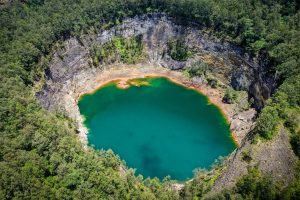
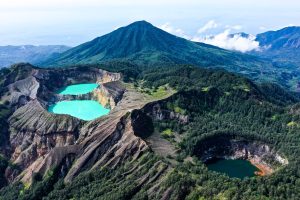
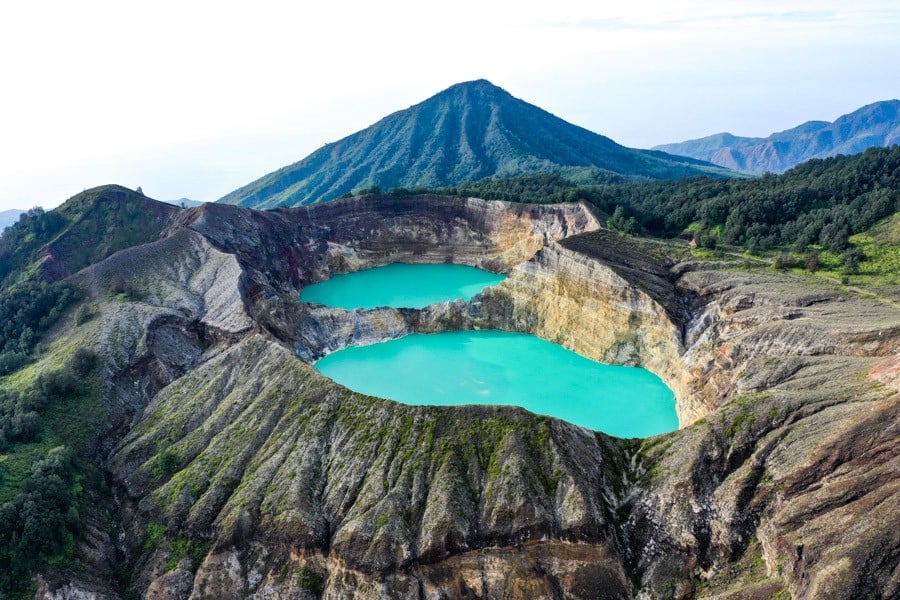
The air is thin, carrying a pre-dawn chill that feels sharp and clean at 1,639 meters. In the profound silence before the sun crests the horizon, you stand at the edge of a caldera, a spectator to one of nature’s most enigmatic displays. Below you, three pools of water lie still, their colors shifting in the nascent light. One is a deep turquoise, another a brooding, almost black, green, and the third an unpredictable shade that might be milky blue today and ochre the next. This is the singular experience of a sunrise at Kelimutu Lake Flores — Kelimutu Lake, a moment where timing is not just a logistical detail, but the very essence of the encounter. Deciding when to make the journey to this remote corner of Flores is the first, and most critical, step in ensuring the spectacle reveals itself in its full, otherworldly glory.
Decoding Flores’s Climate: The Dry Season Advantage (May-September)
To pinpoint the ideal window for visiting Kelimutu, one must first understand the distinct rhythms of the Lesser Sunda Islands’ climate. Flores experiences two primary seasons: a dry season, typically running from May to September, and a wet season that dominates the rest of the year. For the discerning traveler, the dry season is unequivocally the prime time. During these months, the weather across the island stabilizes, characterized by warm, sun-drenched days and significantly reduced precipitation. In coastal towns like Labuan Bajo or Maumere, temperatures average a pleasant 27-32°C. However, as you ascend towards Kelimutu National Park, the altitude dictates a cooler, more alpine climate. The gateway village of Moni, situated at approximately 600 meters, is temperate, but at the summit of Kelimutu itself, pre-dawn temperatures can plummet to a brisk 10-15°C. This period offers near-perfect visibility, a crucial factor for the quintessential sunrise experience. The chance of clouds or fog obscuring the craters is at its lowest, increasing the probability of witnessing that first ray of light strike the water’s surface. According to data from Indonesia’s Meteorology, Climatology, and Geophysics Agency (BMKG), rainfall in this region drops below 50mm per month during this peak period, a stark contrast to the 300mm+ seen in January. This aridity also ensures the trekking paths are firm and secure. The park, recognized for its unique geology and biodiversity, is part of a larger conservation effort, and visiting during dry conditions helps minimize visitor impact on the fragile trails. For a complete overview of what to expect on-site, our comprehensive guide to Kelimutu Lake details the park’s layout and natural wonders.
The Shoulder Seasons: A Strategic Alternative (April & October)
For travelers who prefer to balance favorable weather with fewer fellow visitors, the shoulder months of April and October present a compelling, strategic alternative. These transitional periods offer a unique blend of benefits, albeit with a slight, calculated degree of unpredictability. April marks the end of the wet season. The primary advantage of visiting this month is the landscape itself; the months of rain leave the surrounding hills and rice terraces in a state of electric-green vibrancy. The scenery is arguably at its most lush, providing a dramatic backdrop for the volcanic lakes. While the risk of an afternoon shower remains—perhaps a 25-30% chance on any given day—mornings are often clear, still allowing for a successful sunrise trek. October, conversely, sits at the tail end of the dry season. The landscape is drier, more golden-hued, but the weather remains largely stable and pleasant. The significant advantage here is the drop-off in tourist traffic. The peak crowds of July and August, driven by European summer holidays, have dissipated, meaning the sunrise viewpoint at Inspiration Point is more serene. You might share the moment with a dozen other people, not a hundred. This can transform the experience from a popular tourist stop into something more personal and contemplative. Accommodation in Moni may also offer slightly better availability and rates during these months. As a travel editor, I often advise clients that these shoulder periods represent the sweet spot between ideal conditions and over-tourism, a principle that holds especially true for a globally renowned site like the kelimutu lake.
The Wet Season: A Calculated Risk for the Adventurous (November-March)
Venturing to Kelimutu during the wet season, from November through March, is not for the faint of heart or those on a tight schedule. It is a proposition best suited for the seasoned, flexible traveler who finds beauty in dramatic, moody landscapes. During these months, Flores is subject to the northwest monsoon, which brings heavy and persistent rainfall. Daily downpours are the norm, and the mountains around Kelimutu are frequently shrouded in a thick, persistent fog that can last for days. The primary challenge is visibility; the odds of witnessing a clear sunrise are low. More often than not, the craters are completely obscured by a blanket of white. Furthermore, the trails can become slick with mud, making the pre-dawn trek more hazardous. Local guides sometimes caution against the ascent if conditions are particularly poor. Yet, for a certain type of traveler, there are rewards. The park is virtually empty, offering an unparalleled sense of solitude. When the clouds do part, they create ethereal, shifting scenes, with mist clinging to the caldera walls and the lake colors appearing deep and saturated against the rain-soaked rock. This is Kelimutu at its most wild and untamed. Photographers, in particular, may appreciate the dramatic atmosphere. It is essential, however, to factor in logistical buffers. Road travel across Flores can be disrupted by landslides, and flexibility in your itinerary is non-negotiable. Planning a trip during this period also requires a different approach to budgeting; while some costs may be lower, contingency funds are crucial. Our guide on budgeting for Kelimutu provides insights into planning for such variables.
Beyond Weather: Timing Your Visit with Lio Culture
While meteorological charts provide a scientific basis for planning your trip, timing a visit to coincide with a significant cultural event can elevate the journey from a scenic tour to a profound human experience. The communities surrounding Kelimutu are home to the Lio people, an indigenous group whose cosmology is deeply intertwined with the volcano. For the Lio, Kelimutu is not just a geological wonder; it is a sacred place, the final resting place for departed souls. The lakes themselves are believed to house the spirits of the dead, with each color corresponding to a different stage of life or moral standing. The most significant event in the Lio ceremonial calendar is the Pati Ka Du’a Bapu Ata Mata festival, an annual ritual where communities gather to honor their ancestors. During this ceremony, elders make offerings of food, such as pork and rice, to the spirits of the lakes, seeking their blessing for the upcoming year’s harvest and the community’s well-being. The date is not fixed on the Gregorian calendar but is determined by a council of elders, typically falling around the 14th of August. Witnessing this event is a rare privilege. As local Lio elder and cultural guide Pak Anselmus has told me, “The ceremony is our connection to the ancestors who reside in the lakes. It is a time to give thanks and ask for guidance. For visitors to see this is to see the true heart of Kelimutu.” Attending requires respect and sensitivity, and it is best arranged through a knowledgeable local guide. This cultural dimension is a core part of what makes the region so compelling, a fact recognized by organizations like Wikipedia in its documentation of the Lio people and their traditions.
The Sunrise Imperative: Why Daily Timing Is Everything
Regardless of the month you choose, the most critical timing decision for Kelimutu happens on a daily basis: you must arrive for sunrise. This is not merely a romantic suggestion; it is a practical necessity for experiencing the site at its best. The journey typically begins around 4:00 AM from the village of Moni, the primary base for visitors. The 13-kilometer drive to the park’s entrance takes approximately 45 minutes, climbing steeply through the cool mountain air. From the car park, a well-maintained path and a series of steps lead you on a final 20 to 30-minute walk to the main viewpoint, often called Inspiration Point, perched between two of the craters. The reason for this pre-dawn pilgrimage is twofold. First, the atmospheric conditions are most favorable in the early morning. As the day progresses, clouds often form and roll into the caldera, obscuring the view by as early as 9:00 AM. Arriving for sunrise maximizes your chances of a clear, panoramic vista. Second, the quality of light is unparalleled. The low, angled rays of the rising sun illuminate the mineral-rich water, making the distinct colors appear intensely saturated and vibrant in a way they simply do not under the harsh glare of the midday sun. This is the moment when the lakes truly reveal their otherworldly character. For those looking to craft the perfect itinerary, our dedicated resource on how to plan your Kelimutu Lake trip offers a detailed timeline for the sunrise excursion, ensuring you don’t miss this ephemeral spectacle.
Quick FAQ: Your Kelimutu Timing Questions Answered
How many days are truly necessary for a visit to Kelimutu?
While the sunrise viewing itself can be accomplished in a single morning, we strongly advise a minimum of two nights in the Moni area. This builds a valuable buffer into your itinerary, providing a second chance for a sunrise attempt should the first morning be beset by fog or rain—a not-uncommon occurrence even in the dry season. A two-night stay also allows you to explore the region beyond the volcano at a more relaxed pace, from the verdant rice paddies and local villages to the nearby hot springs and waterfalls. Kelimutu is best appreciated not as a fleeting stop, but as the centerpiece of a 2-3 day regional immersion.
Do the famous lake colors change with the seasons?
The dramatic color shifts of Kelimutu’s lakes are a result of complex and ongoing chemical reactions between volcanic gases and the dissolved minerals within the water. This process is independent of the seasons. However, the seasons can have an indirect effect on their appearance. During the wet season, heavy rainfall can dilute the concentration of these minerals and alter the water’s pH, which may lead to more muted or subtle tones. The dry season, with its intense and direct sunlight, provides the optimal lighting conditions to perceive the colors at their most vivid and spectacular.
How crowded is Kelimutu during the peak dry season?
July and August are the busiest months, coinciding with international summer holidays. During this period, you can expect to share the sunrise viewpoint with up to 150 other visitors. While the viewing area is spacious, it can feel busy. To mitigate the crowds, consider visiting in May, June, or September. Another strategy our editors recommend is to linger after the initial sunrise rush. By 7:30 AM, a significant portion of the crowd has departed for breakfast, leaving the caldera remarkably peaceful. The light is still beautiful, and you can enjoy the panoramic views in relative solitude.
Ultimately, timing your journey to Flores is about aligning your expectations with the island’s natural rhythms. For the most reliable and visually rewarding experience, the dry months of May through September are the clear choice. This is the window when the skies are clearest, the paths are safest, and the tri-colored miracle of the Kelimutu Lake is most likely to reveal itself in full splendor. When you are ready to translate this insight into action and witness the phenomenon for yourself, explore our curated journeys and begin planning your bespoke Flores adventure at Kelimutu Lake Flores.